
Venue & Room Hire
The Royal Institution offers four intimate, character-rich spaces, all connected by an impressive Georgian entrance hall. Hire individually, in combination, or as a full-venue takeover for up to 150 guests. Our dedicated events team will work with you to plan and deliver a bespoke experience — from tailored cocktail menus to curated entertainment.
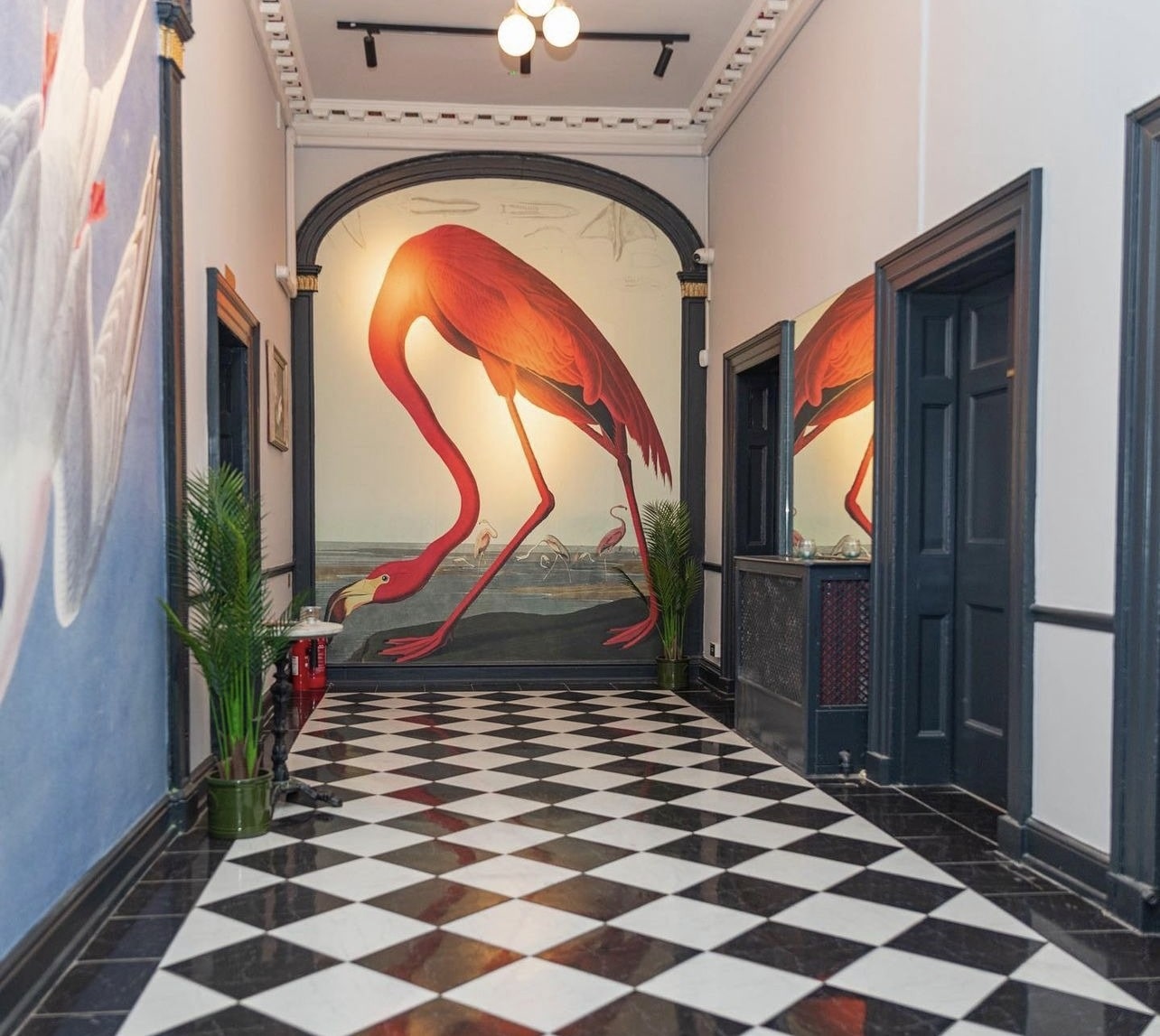
Historic Venue
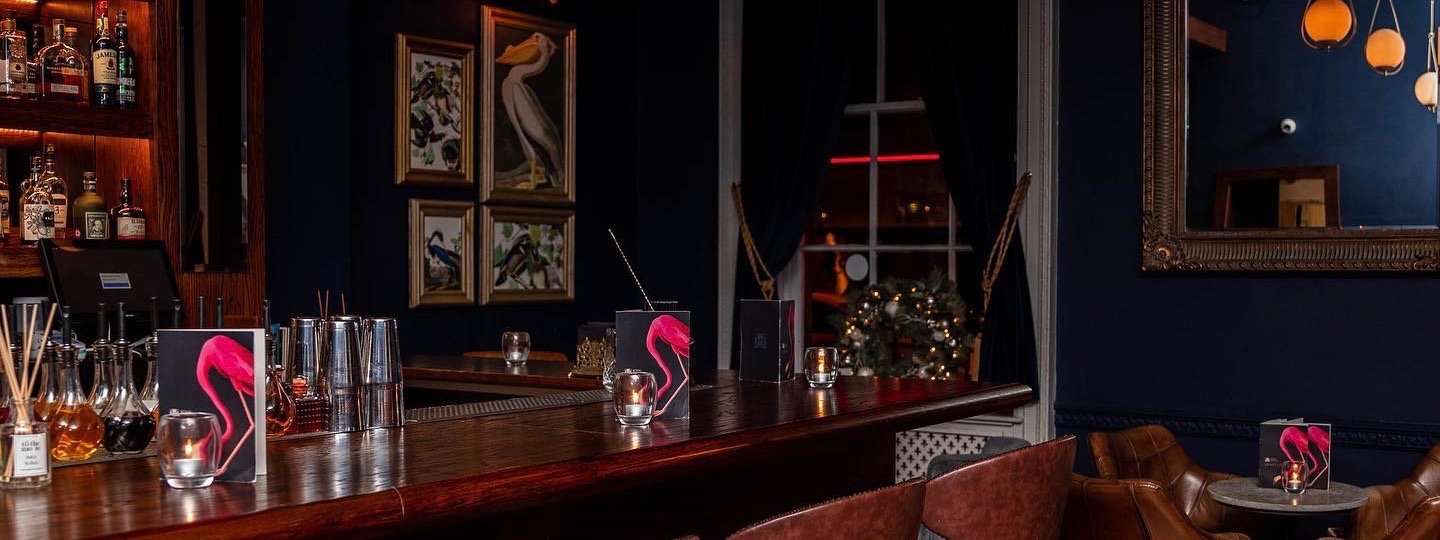
30 seated | 40 standing
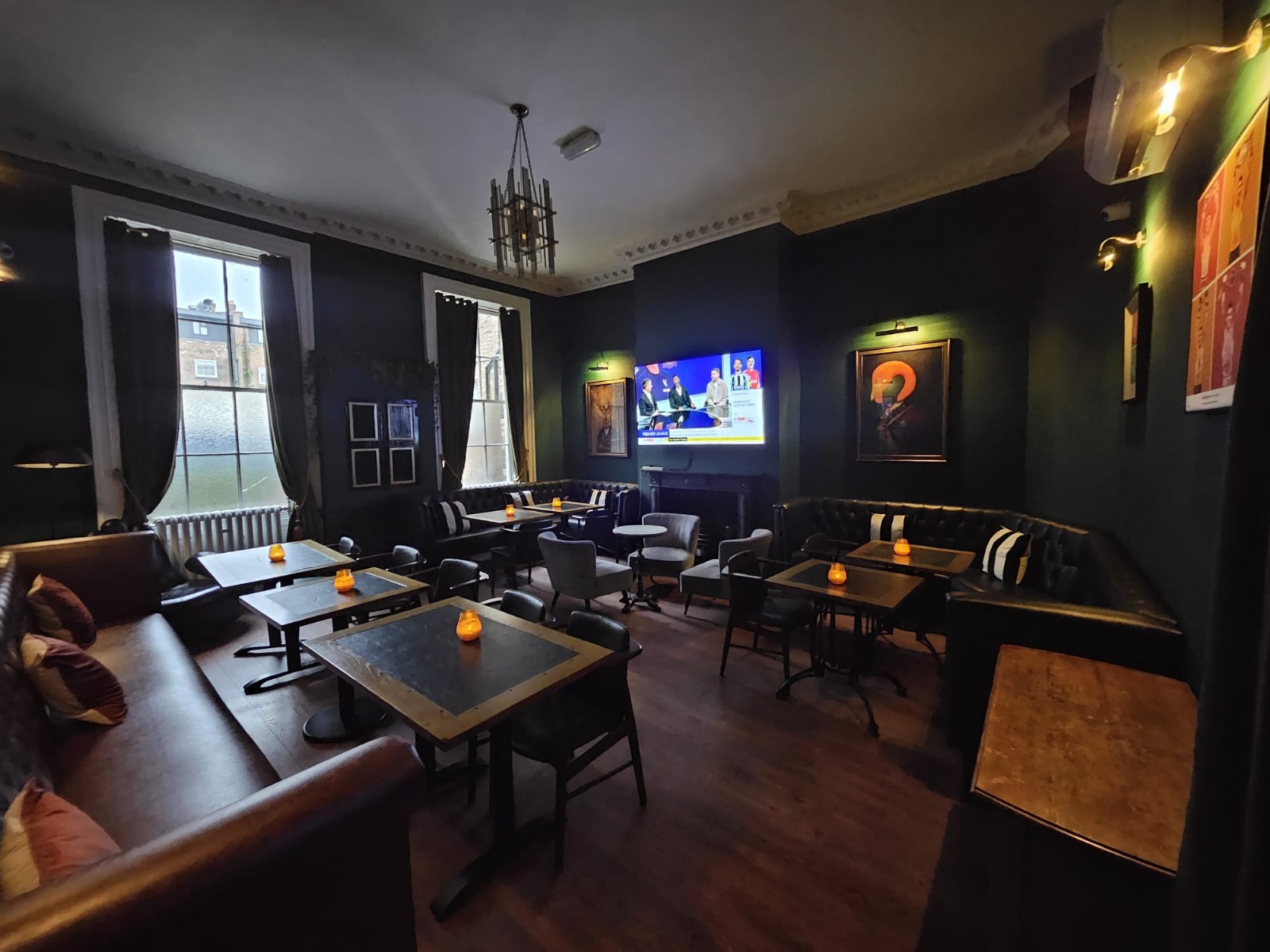
30 seated | 40 standing
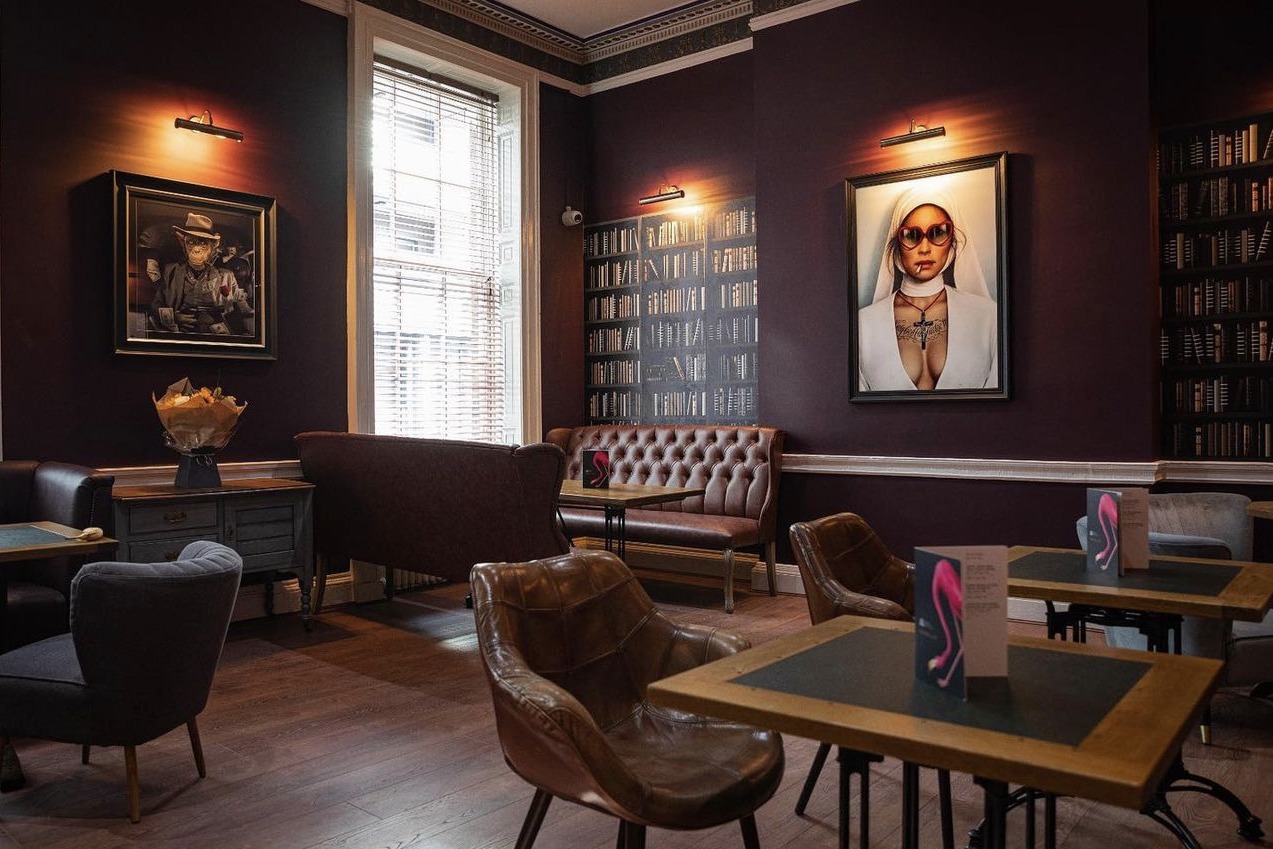
20 seated | 40 standing
Private Members Club – Sports Lounge
The Sports Lounge – Business & Sports Networking Club
The Sports Lounge is a unique private members club based at the Royal Institution, bringing together people who share a passion for both sport and business.
It’s a place to connect, network, and build relationships — whether you’re an entrepreneur, a professional, or simply someone who values being part of a like-minded community. Members enjoy exclusive events, guest speakers, and opportunities to mix with leaders from across sport, business, and beyond.
Join The Club

Business Club @ Royal Institution
Where Work Meets Charm – 9am–4pm, Mon-Fri
Step into the Royal Institution by day and experience one of Liverpool’s most inspiring workspaces. Nestled within our elegant Georgian interiors, the Business Lounge combines heritage character with modern convenience — the perfect environment to focus, create, and connect.
- Free high-speed WiFi
- Comfortable seating & atmospheric surroundings
- Complimentary refreshments all day
- Plenty of plug sockets
- Calm, focused ambiance
£14.99 per day
Book Your DeskHistory of the Royal Institution
The Royal Institution, Liverpool — From 1799 to Today
Origins of the building (1799)
- The house at 24 Colquitt Street (with warehouse behind on Parr Street) was built c.1799 for merchant–banker Thomas Parr. It’s now Grade II listed. Liverpool World Heritage
Founding the Institution (1814)
- In 1814, Liverpool’s civic leaders created the Liverpool Royal Institution “for the Promotion of Literature, Science and the Arts.” Key founders included William Corrie, William Rathbone IV, Thomas Stewart Traill, and William Roscoe (abolitionist, MP, collector). Wikipedia, Liverpool History Society
Opening & early decades (1817–1830s)
- The Colquitt Street premises opened 25 November 1817 with William Roscoe’s inaugural address on the “origin and vicissitudes of literature, science, and art.” Victorian Web+1
- An art gallery opened in 1819, initially one room with 37 paintings, including Old Masters (e.g., Michelangelo attributed work, sixteenth-century Italian pictures). Roscoe’s collection formed the nucleus. Wikipedia, Lancashire & Cheshire Society
- The Institution developed a busy lecture programme and became a civic hub for learned societies in the city. Wikipedia
Royal status
- The Institution received a Royal Charter in the early 1820s; contemporary local histories cite 1821, while some lists of royal charters give 1824. (Your venue’s own modern histories reference 1821.)
Notable exhibitions & culture
- Hosted John James Audubon’s first European exhibition in 1826 — a landmark for natural history art in Britain.
- By 1841, a new gallery building for the art collection was constructed; the gallery programme continued to grow mid-century.
Education
- Ran the Royal Institution School (a boys’ grammar school) until 1892, shaping Liverpool’s professional class for generations.
Transition & legacy (late 1800s–1948)
- After the opening of the William Brown Library & Museum (1860) and Walker Art Gallery (1877), the Institution’s central role diminished; collections and archives were progressively transferred to the city and to University College Liverpool. The Institution was formally dissolved in 1948.
- Historian Henry A. Ormerod summed up its impact in 1953: much of 19th-century Liverpool’s intellectual life centred here, and many modern institutions began “as the direct creation of the Institution itself, or as guests within its walls.”
People to know
- William Roscoe — first President (from 1822), collector, abolitionist; delivered the opening address. Archives Hub
- William Rathbone IV — merchant–philanthropist; driving force behind civic improvement.
- Thomas Stewart Traill — physician and scientist; later editor of the Encyclopaedia Britannica (8th ed.).
- William Corrie — broker and organiser of the founding committee. Liverpool History Society
- Thomas Parr — original owner of the Colquitt Street house; later an RI member. (Modern histories acknowledge his role in the slave trade, a reality that’s now part of the building’s full story.)
Building & site facts
- Address: 24 Colquitt Street, Liverpool (with historic warehouse range to 57 Parr Street). Grade II listing reflects its architectural and historic interest.
- The venue hosted multiple societies and schools; rooms were used by the Literary and Philosophical Society and the Liverpool Academy in the early years.
Today
The building lives on as Royal Institution Liverpool — a private members’ destination with an exclusive Sports Lounge, an intimate Whisky Lounge, and an upmarket bar, continuing the tradition of gathering, conversation and culture on Colquitt Street.